Uneven tire wear is one of those problems that sneaks up on you. The car may still drive fine, there may be no warning lights, and the tires can look okay at a quick glance. Then you rotate them or get a flat repaired and notice one edge is chewed up, or one tire is wearing faster than the rest.
The big question is usually the same: is this an alignment issue, or is something worn in the suspension? The answer is often in the wear pattern and in how the vehicle feels on the road.
If you catch it early, you can usually save the next set of tires.
Uneven Tire Wear Is Worth Taking Seriously
Tires are not just rubber, they are your traction, braking, and handling all in one. When a tire wears unevenly, some parts of it lose grip sooner, even if the tread looks fine elsewhere. That can show up as longer stopping distance in the rain, more road noise, or a steering wheel that feels slightly nervous at speed.
Uneven wear is also expensive feedback. If you replace tires without fixing the cause, the new set can wear out early too, and that gets frustrating fast. A little investigation now usually beats buying tires twice.
Common Tire Wear Patterns And What They Often Point To
Most uneven wear follows a few repeat patterns. The tricky part is that a single pattern can have multiple causes, so it helps to combine what you see with what you feel while driving. Even a short note like “front left inside edge” can be useful.
Here are common wear patterns and what they often suggest:
- Inside Edge Wear: Often alignment-related (camber or toe), but worn bushings can also let alignment drift while driving.
- Outside Edge Wear: Can be underinflation, aggressive cornering, or alignment, depending on the vehicle.
- Center Wear: Often overinflation, especially if the tire’s center tread is wearing faster than both edges.
- Cupping Or Scalloping: Common with worn shocks/struts or loose suspension parts that let the tire bounce.
- Feathering: Often toe misalignment, and it can feel like the tread is sharp in one direction when you run your hand across it.
A clear pattern is a gift, because it narrows what to check first.
How Alignment Problems Usually Show Up
Alignment is about the angles of the wheels, mainly toe and camber. When those angles are off, the tire scrubs as it rolls, and it wears faster on specific areas. Some drivers notice a pull, but many do not, especially if the drift is mild or the road crown hides it.
Alignment problems often show up after potholes, curb taps, or suspension work. You might notice the steering wheel is not centered anymore, or the car feels like it follows grooves in the road. Even if it still drives straight, the tires can quietly be getting shaved down every mile.
Alignment is a numbers problem, and small numbers can still ruin tires.
How Suspension Wear Creates Uneven Wear
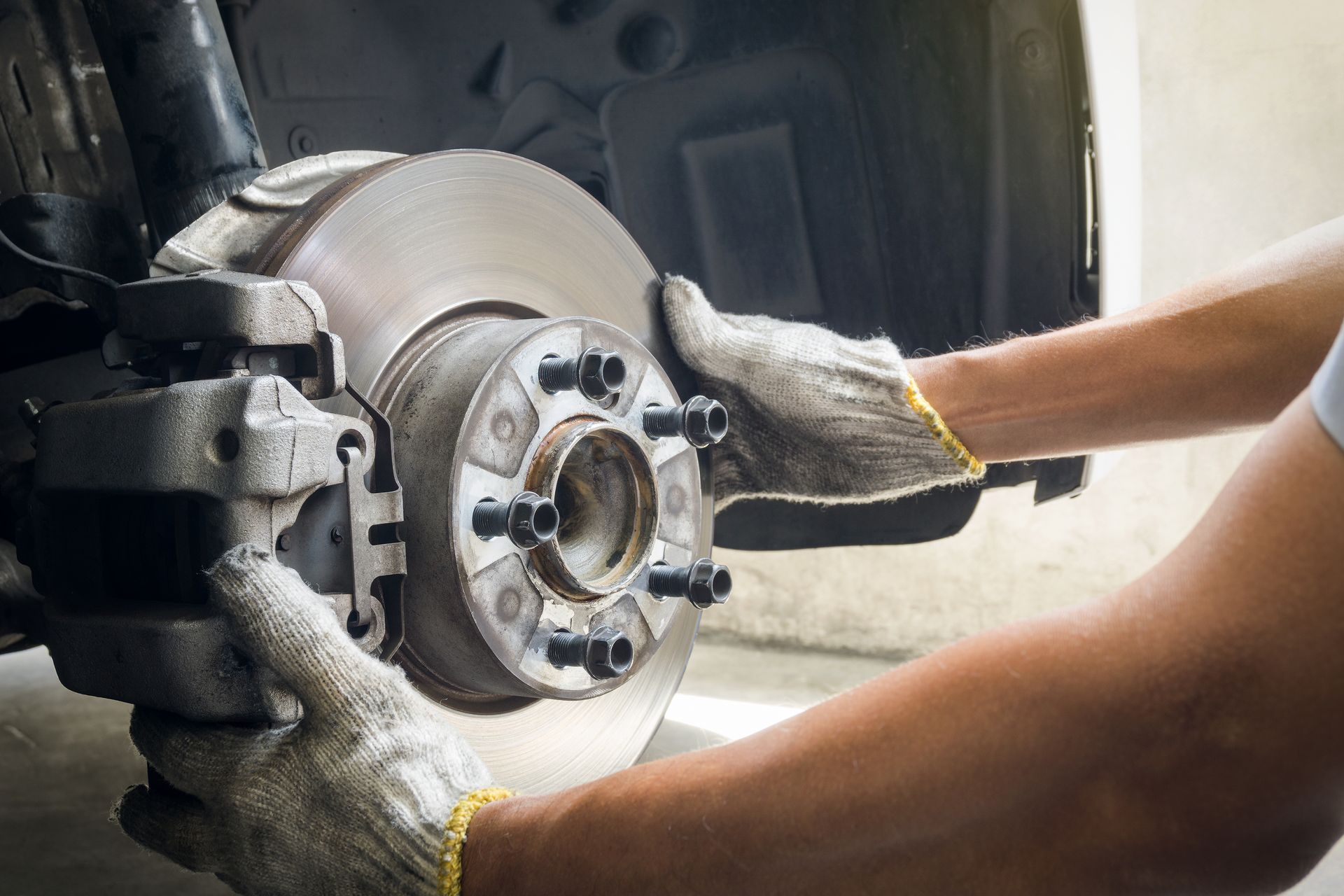
Suspension parts do more than soften bumps. They hold the wheel steady and keep it planted. When bushings, ball joints, tie rods, or wheel bearings develop play, the wheel can change angle while you drive, especially under braking, acceleration, or turning.
That is where tire wear can get weird. Instead of a clean inside-edge wear pattern, you might see patchy wear, cupping, or one tire looking worse than the rest even after an alignment. If the vehicle also clunks over bumps, feels loose in the steering, or shakes at certain speeds, worn parts become more likely.
A worn suspension component can make a perfect alignment impossible to keep.
Suspension Or Alignment?
If the vehicle feels stable and quiet, and the wear pattern looks clean and consistent, alignment is often the first place to look. Feathering across the tread and steady inside-edge wear are common alignment clues. It is also common to see uneven wear shortly after a big pothole hit.
If the wear looks choppy, scalloped, or inconsistent, suspension control and looseness move higher on the list. Cupping, rattles over bumps, or a bouncy ride often point to shocks/struts or other worn joints. If the tire wear keeps returning even after alignments, that is a strong hint that something is moving that should not be.
You do not need to guess, you just need to match the pattern to the likely cause.
Common Mistakes That Make Tire Wear Worse
One mistake is waiting too long to rotate tires. Rotations do not fix the underlying issue, but they can slow the wear and help you spot patterns early. Another is ignoring tire pressure, since underinflation and overinflation can create wear patterns that mimic mechanical problems. If pressure is not checked regularly, you can end up chasing alignment when the tire is simply low.
It also helps to avoid replacing one tire on an AWD vehicle without checking the tread depth differences. Mismatched tread can stress the drivetrain and can create handling quirks that feel like alignment. And if the car has a loose part, an alignment will not hold, so it is money wasted until the looseness is fixed.
A few small habits can make your tires last a lot longer.
Get Tire And Alignment Service in Newport, Oregon with PJM Auto LLC
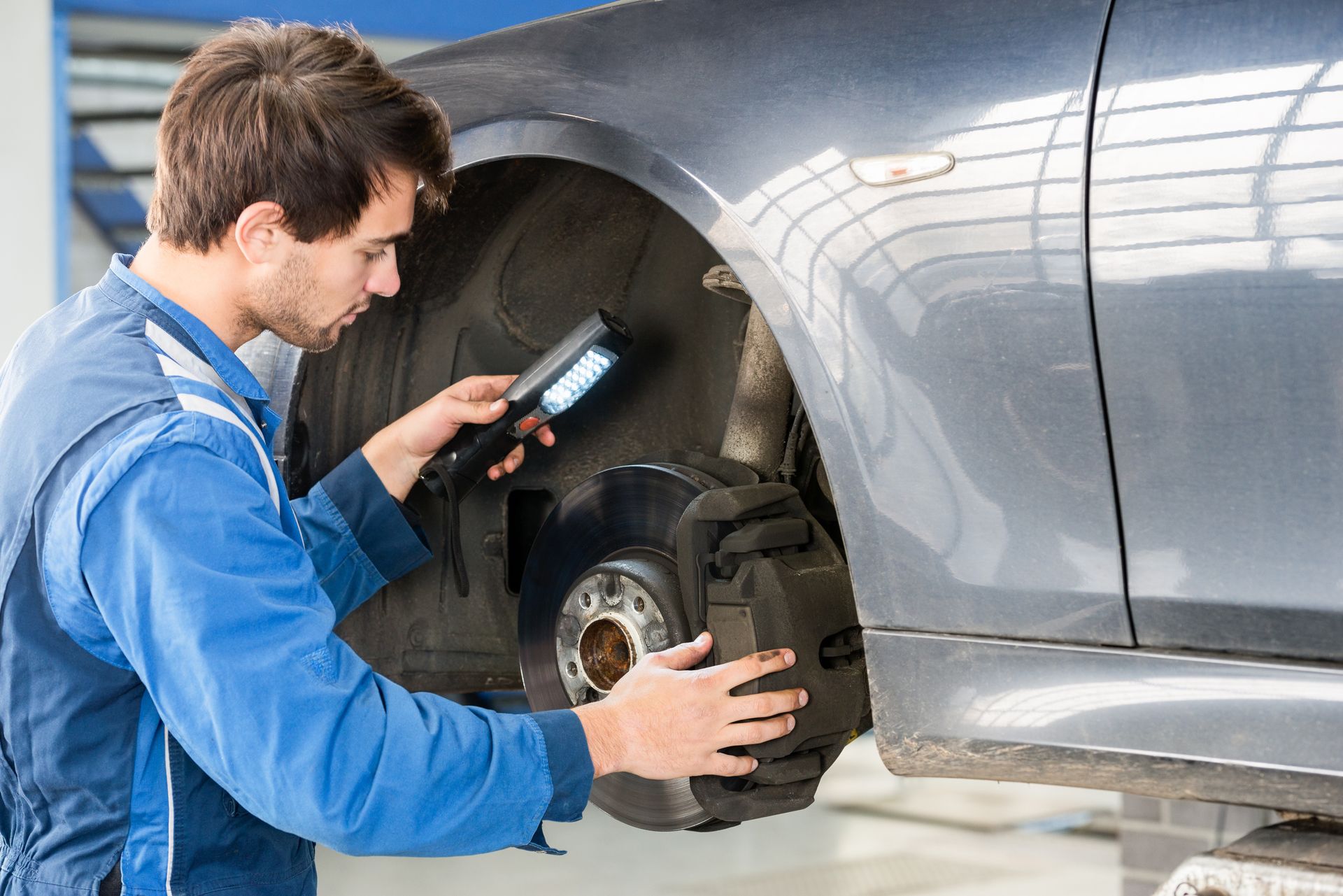
We can inspect your tires for wear patterns, check the suspension and steering for looseness, and set the alignment once the foundation is solid. We’ll explain what we find and help you prioritize the fix that will protect your next set of tires.
Call or schedule a visit, and let’s get your vehicle tracking straight with even tire wear again.