You press the brake pedal, the car slows down, and then a sharp squeak cuts through the quiet. The brakes still feel strong, so it is easy to shrug and keep driving, but that sound is often your first clue that something in the braking system needs attention.
Some squeaks are harmless, while others are early warnings you do not want to miss.
Why Brakes Squeak in the First Place
When you step on the brakes, the pads clamp onto metal rotors and turn motion into heat. That contact can create high frequency vibration, and your ears hear that vibration as a squeak. Pad material, rotor finish, hardware condition, humidity, and pedal pressure all change the sound.
If the pads can move more than they should, or the rotor surface is rough or glazed, that vibration gets louder. Missing hardware, rust buildup, or low quality pad material all make squeaks more likely.
Squeaks That Are Annoying but Usually Normal
Not every noise means something is failing. Some day to day squeaks are mostly a nuisance, such as:
- Light squeak on the first few stops after a damp or foggy night
- Mild noise right after a car wash or heavy rain until the rotors dry
- A brief squeak at very low speeds that disappears once the brakes are warm
Thin surface rust, moisture, and light glazing are common triggers. If the sound fades within a few stops and does not come back during normal driving, it may not require immediate work. If it starts happening on most stops instead of just once in a while, it is worth a closer look.
Squeaks That Mean Your Brakes Need Attention
Other noises are your brakes telling you they are wearing out. Louder, sharper, or constant squeals can point toward:
- Wear indicator tabs are scraping the rotor because the pads are thin
- Glazed pads or rotors from repeated gentle braking and heat
- Pads are wearing unevenly because of sticky calipers or missing hardware
If the squeak turns into a grinding or scraping sound, that usually means there is little or no friction material left. At that stage metal is contacting metal and the rotors are being chewed up with every press of the pedal.
How Coastal Weather Makes Brake Noise More Likely
In and around Newport the brakes live with extra moisture and salty air. Overnight, a light film of rust often forms on the rotor surface, especially on foggy or rainy nights, and that is what you hear on the first few stops in the morning.
Salt and moisture also speed up corrosion on the clips and shims that hold the pads snug in the calipers. As that hardware wears or rusts, the pads can rattle or vibrate more, which makes squeaks and small knocks more common.
Owner Habits That Can Make Brake Squeaks Worse
Everyday driving habits have a big effect on brake noise. Riding the brakes on long hills, hovering on the pedal in traffic instead of making firm, clean stops, or braking hard from high speed over and over all build a lot of heat into pads and rotors.
Letting light noise go for months is another problem. A squeak from low pads can quietly turn into grinding once the last bit of friction material is gone, and waiting that long usually means replacing pads and rotors instead of just pads and basic hardware.
Simple Checks You Can Safely Do at Home
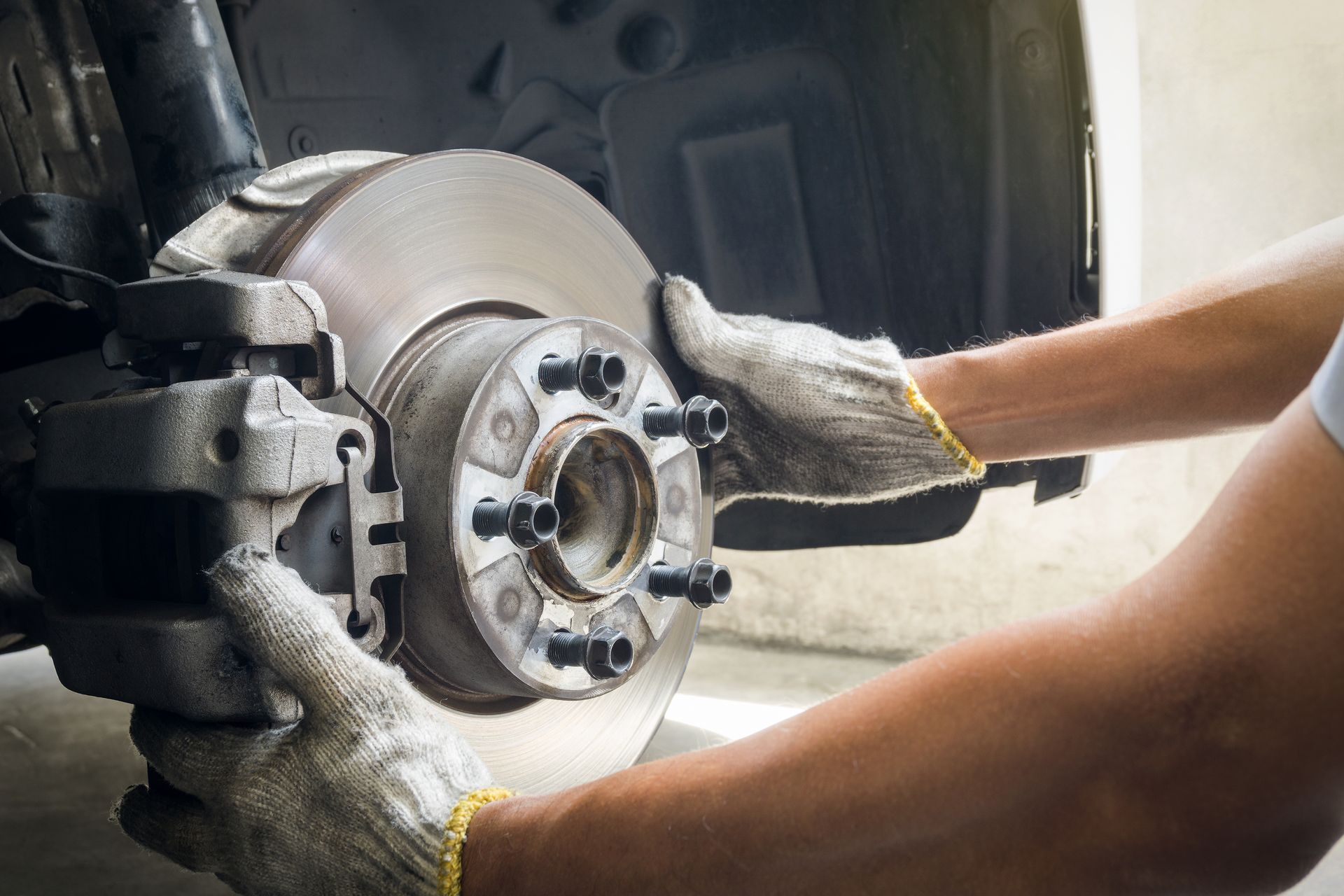
You do not need tools to gather helpful information. With the car parked and the wheels turned slightly, you can often look through the spokes and see the brake pads. If you only see a very thin strip of material between the metal backing and the rotor, the pads are close to the end of their life.
Notice when and how the squeak shows up, whether only in the morning or all day, and whether it happens at light stops or even when you brake firmly. Any change in pedal feel, pulling to one side, or a brake warning light, together with the squeak, is a sign that a professional inspection should move to the top of the list.
Get Brake Squeak Diagnostics in Newport, Oregon with PJM Auto LLC
If your brakes squeak loudly on most stops, have started to grind, or do not feel as smooth and quiet as they used to, this is the right time to have them checked. We can inspect pads, rotors, hardware, and calipers and explain what needs attention.
Schedule brake squeak diagnostics and repair in Newport, Oregon with
PJM Auto LLC, and we will help you get back to quiet, confident stops on every drive.