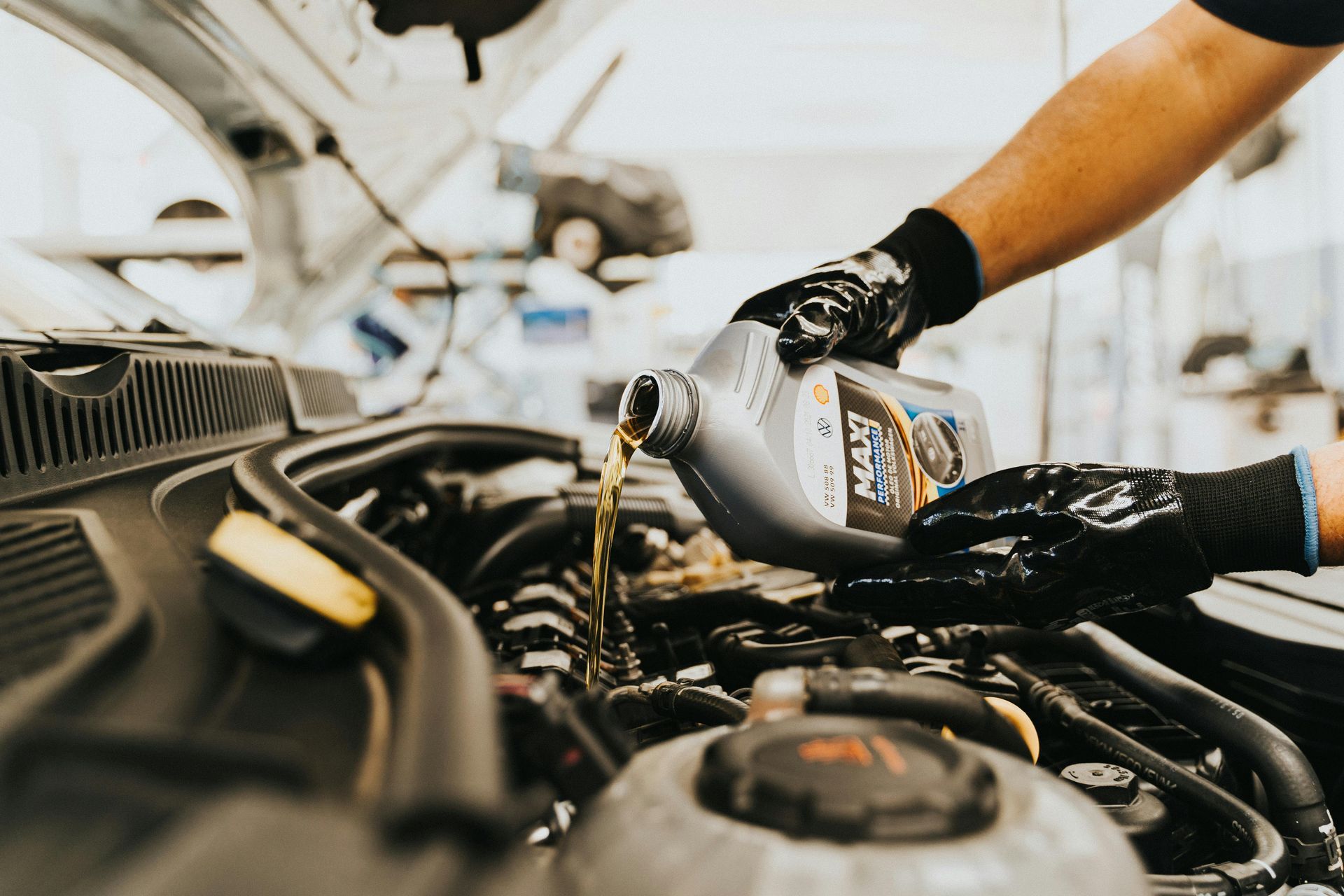
Oil changes look routine, yet small choices during the service decide whether an engine stays quiet for years or ends up with timing wear, stuck rings, and leaks. These five tips focus on the details that prevent the big bills later.
Use them to keep the engine smooth, clean, and well-protected.
1. Use The Exact Oil Spec, Not Just The Viscosity
That “5W-30” on the cap is only half the story. Modern engines need oil that meets precise manufacturer approvals for detergents, anti-wear additives, and high-temperature stability. Using an oil that matches the exact spec protects timing chains, variable valve systems, and turbo bearings under heat.
It also keeps warranty and long-life intervals credible. Our technicians always check the approval list, because generic oils can leave varnish and trigger noisy cold starts long before the mileage is high.
2. Change By Time And Miles, Then Check Driving Style
Oil ages in two ways. Miles shears it; time oxidizes it. Short trips that never fully warm the engine allow condensation and fuel dilution to build in the crankcase, which thins the oil and raises wear. If your routine is mostly short hops, follow the time interval even when the mileage looks low.
After each service, reset the reminder and note the exact date and odometer so trends are easy to track at the next visit.
3. Treat The Filter, Drain Plug, And Washers As Critical Parts
A bargain filter can bypass too early or collapse, sending grit through bearings. Choose a quality filter with the correct bypass pressure and gasket size. Replace the crush washer or sealing ring at the drain every time to prevent slow leaks that starve the engine over a month rather than a day.
We torque the plug and housing to spec and pre-fill filters where applicable, which shortens dry start time and keeps the dash quiet on the first crank.
4. Use Each Oil Change As A Mini Health Check
A careful look during an oil service can stop bigger problems before they grow. Make these quick checks a habit:
- Scan for fresh wetness around valve covers, timing covers, and the oil filter housing.
- Inspect the serpentine belt and coolant reservoir while the hood is open.
- Read the old oil: fuel smell hints at short trips, metal glitter signals internal wear.
- Confirm PCV hose integrity and listen for whistling that suggests a vacuum leak.
Catching a tiny seep or a misrouted breather line now is far cheaper than replacing soaked belts, mounts, and coils later.
5. Protect The System Around The Oil: Air, PCV, And Cooling
Oil does its best work when the rest of the engine is stable. A clogged air filter raises vacuum at the intake and pulls more vapor through the crankcase, which accelerates deposits on rings and valves. A weak PCV valve lets pressure build and pushes oil past fresh seals. Marginal cooling causes hot spots that bake oil into varnish.
Replacing the air filter on schedule, testing PCV function, and keeping coolant chemistry correct preserve clean oil longer between services. We often see engines run quieter and use less oil once these supporting pieces are back in spec.
Owner Mistakes That Lead To Big Engine Repairs
Topping up with the wrong oil to quiet a rattle can mask the real cause. Stretching intervals because “the oil still looks clean” ignores fuel dilution and additive depletion you cannot see. Over-tightening the drain plug ruins the pan threads and invites future leaks.
Clearing a maintenance light without doing the service throws off timing for every other fluid. A steady routine beats guesswork every time.
Get Oil Change Service In Newport, OR, With PJM Auto LLC
Ready to turn a routine oil change into real engine protection? Visit PJM Auto LLC in Newport, OR. We use oils and filters that meet the exact approvals for your engine, torque plugs, and housings correctly, and build each service around a quick health check so small issues never become big repairs.
Schedule your next oil change today and keep the engine smooth, clean, and confident for the miles ahead.