An oil light that flickers on and off can make you feel stuck between two options. Ignore it because it goes away, or assume the engine is about to fail. The truth is usually in the middle. This warning is often tied to oil pressure, not oil life, and pressure problems can be serious even if they only show up for a moment.
The key is treating it as a real symptom and paying attention to when it happens. A light that flickers at idle after a long drive points to different causes than a light that pops on during hard braking or right after startup.
Oil Light vs Oil Change Reminder
Many vehicles have two separate alerts that get mixed up. The oil change reminder is usually based on mileage and time. The oil light is typically tied to oil pressure, which is what keeps oil flowing to bearings and other moving parts.
If the oil light is coming on and off, that is not something to wait weeks on. Pressure can drop for reasons that do not show up as a puddle. Even brief low-pressure events can add wear, especially when the engine is hot.
Why Oil Pressure Can Drop Intermittently
Oil pressure depends on three things: enough oil in the engine, oil that is the correct viscosity, and an oiling system that can move it consistently. If any of those become marginal, pressure may be fine most of the time and then dip in specific situations. That is why the light might flicker instead of staying on steadily.
Sometimes it is as simple as the oil level being low. Sometimes it is a restriction that shows up once the oil is hot and thinner. It can also be related to internal wear that makes it harder to maintain pressure at low RPM.
Common Causes That Make The Light Flicker
Low oil level is the first thing to rule out. If the oil is even a quart low, pressure can dip during turns, braking, or when you come to a stop. Oil that is too thin for the engine, or oil that has been diluted by fuel from lots of short trips, can also reduce hot idle pressure.
Other common causes include a partially clogged pickup screen, a tired oil pump, or internal wear in bearings that increases clearance. We also see cases where the oil pressure sensor is failing, or the wiring has an intermittent connection, which can create a warning that feels random. The only safe approach is checking the basics first, then confirming pressure if the symptom keeps returning.
Why It Often Happens At Idle Or When Hot
A lot of drivers notice the flicker after a long drive when they are sitting at a stoplight. That is a classic moment for borderline oil pressure because hot oil is thinner, and idle speed is the lowest pump speed. If the system is just barely holding pressure, idle is where it drops under the threshold.
If the light goes away when you raise RPM slightly, that pattern still matters. It does not prove the engine is fine. It suggests the system needs more pump speed to maintain pressure, which is exactly why the light is showing up in the first place.
What To Do When The Oil Light Flickers
If the oil light comes on, treat it as a moment to slow things down and protect the engine. The goal is keeping load low and checking oil level safely as soon as you can.
- Pull over somewhere safe and shut the engine off if the light stays on
- Check the oil level on level ground once the engine has been off for a few minutes
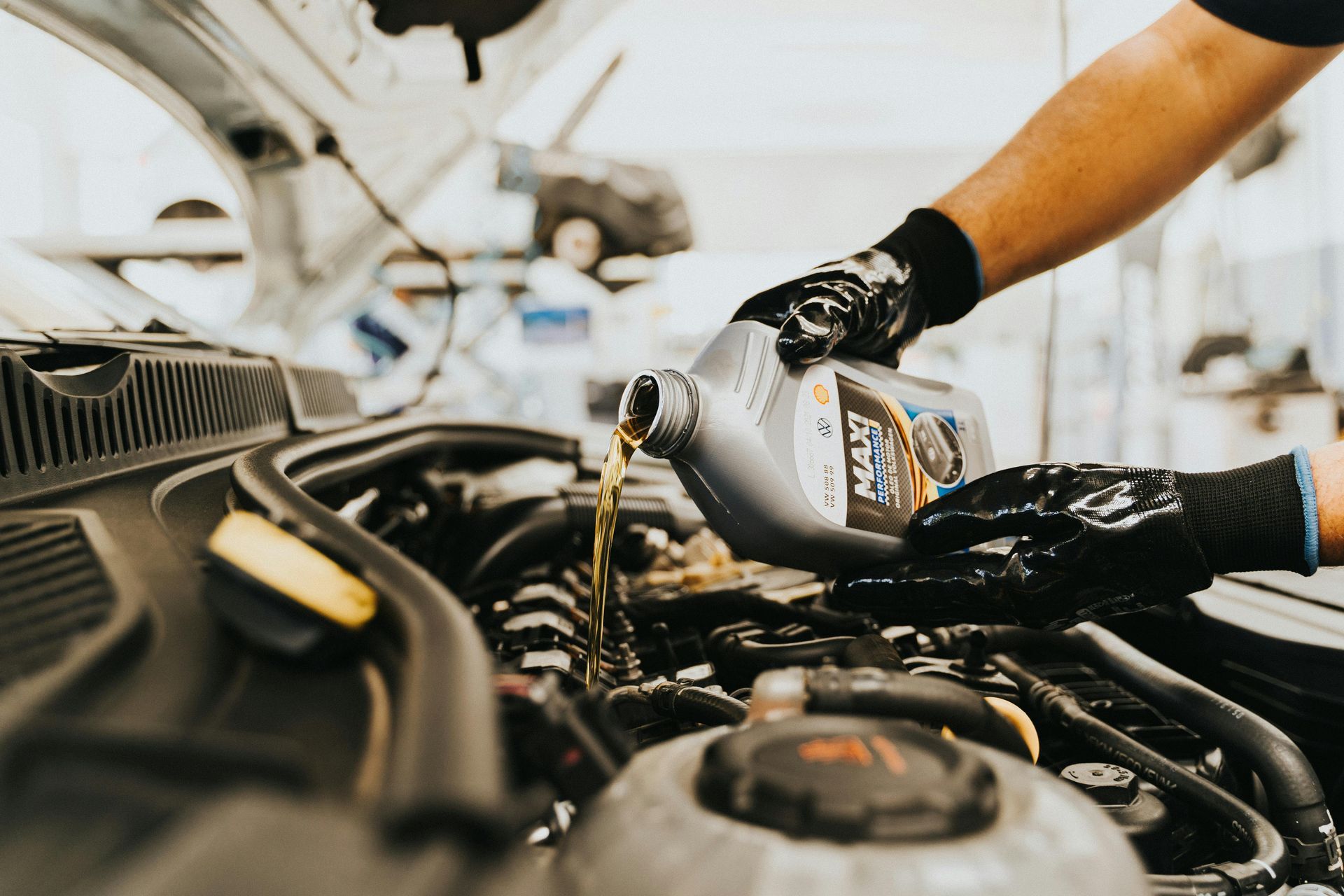
- Add the correct oil if the level is low, then recheck the dipstick
- Look for fresh leaks under the vehicle and around the filter area
- If the level is normal and the light returns, avoid driving it hard and book service
If the light is on steadily, or the engine starts knocking, ticking loudly, or losing power, do not keep driving. That is when towing is often the smarter move.
How The Problem Gets Confirmed And Prevented
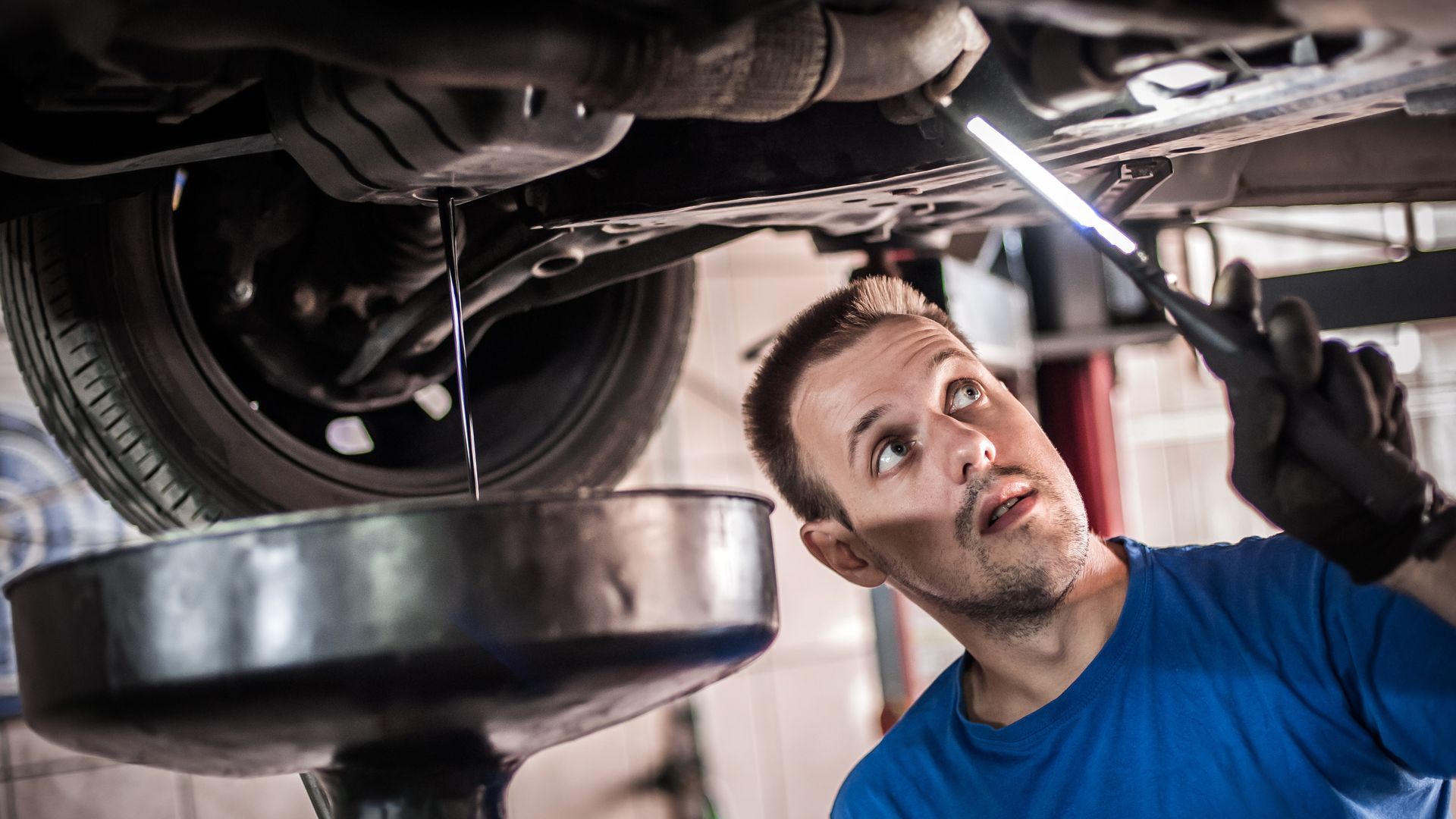
The first step is confirming whether the warning matches real pressure changes or a sensor issue. Our technicians typically verify oil level and condition, then confirm pressure behavior and check for things that can cause intermittent drops, like pickup restrictions or worn components. A thorough inspection also looks for leaks that are not obvious until the vehicle is on a lift, because slow seepage can lower the level over time without leaving a clear puddle.
After it is repaired, prevention comes down to staying consistent with regular maintenance and checking the oil level between services. If your engine uses oil as it ages, that habit matters even more. Catching a low level early is one of the easiest ways to avoid the flicker returning.
Get Oil Light Service In Newport, Oregon With PJM Auto LLC
If your oil light is coming on and off, the next step is to book service so the cause can be repaired before low pressure turns into real engine damage.
Schedule service with PJM Auto LLC in Newport, Oregon, when you want the oiling system checked, the right fix made, and the vehicle safe to drive with confidence again.