A check engine light can feel almost unfair when the car still drives normally. The engine starts. The idle sounds fine. The gas pedal responds. Nothing smells hot, shakes, or makes noise.
So why is the light on?
Modern vehicles can detect problems before they become obvious to the driver. The computer watches fuel control, emissions performance, ignition behavior, temperature readings, and sensor data while you drive. When something falls outside the expected range, the check engine light turns on and stores a code.
The Computer Catches Problems Early
A car can feel fine while the computer sees something that is starting to drift. That does not mean the vehicle is about to break down, but it does mean the system found a fault that needs attention.
Some issues start small. A slow oxygen sensor, minor EVAP leak, loose gas cap, thermostat problem, or fuel mixture concern may not change the way the car feels at first.
That early warning is useful. It gives you time to schedule service before the issue affects fuel economy, emissions, drivability, or more expensive parts.
A Loose Gas Cap Can Trigger The Light
One of the simpler causes is a loose or damaged gas cap. The fuel system is designed to seal vapors inside. If the gas cap does not seal correctly, the vehicle may detect an EVAP system leak.
This often happens after fueling. The car may drive perfectly because the issue is not affecting how the engine runs. Still, the computer sees a vapor leak and turns on the light.
Tightening the cap may help, but the light may not turn off immediately. The vehicle usually has to run its self-test again. If the light stays on, the problem may be in an EVAP hose, purge valve, vent valve, canister, or another part of the vapor system.
Oxygen Sensor Problems May Not Feel Obvious
Oxygen sensors monitor the exhaust so the computer can adjust the air-fuel mixture. If a sensor gets slow, contaminated, or inaccurate, the engine may still run well enough that you do not notice a change.
The problem is that fuel control may not be as accurate as it should be. That can hurt fuel economy, increase emissions, and, over time, place extra stress on the catalytic converter.
A sensor code does not always mean the sensor itself failed. Exhaust leaks, misfires, oil burning, wiring trouble, or fuel mixture problems can affect the reading. A proper inspection helps confirm why the code appeared before parts are replaced.
Fuel Mixture Issues Can Hide For A While
The engine needs the right balance of air and fuel. If extra air enters through a vacuum leak or cracked intake hose, the engine can run lean. If too much fuel is added, it can run rich.
Either condition can turn on the check engine light while the vehicle still feels normal. The computer may adjust fuel delivery enough to keep the engine running, but those corrections show up in the data.
Fuel trim readings can help tell the story. They show whether the computer is adding or subtracting fuel to compensate. Those numbers often reveal a problem before the driver feels rough idle, hesitation, or poor fuel economy.
Small Misfires Are Easy To Miss
A misfire does not always shake the whole vehicle. Sometimes it happens only during startup, under load, at certain speeds, or after the engine gets hot. The check engine light may come on before the misfire becomes easy to feel.
Spark plugs, ignition coils, fuel injectors, wiring, vacuum leaks, and compression issues can all cause misfires. If the check engine light starts flashing, that is more serious. A flashing light usually means an active misfire that can damage the catalytic converter.
A steady light with no symptoms still deserves testing. Small misfires can grow, and the longer they continue, the more likely they are to affect other parts.
Temperature Problems Can Set Codes Too
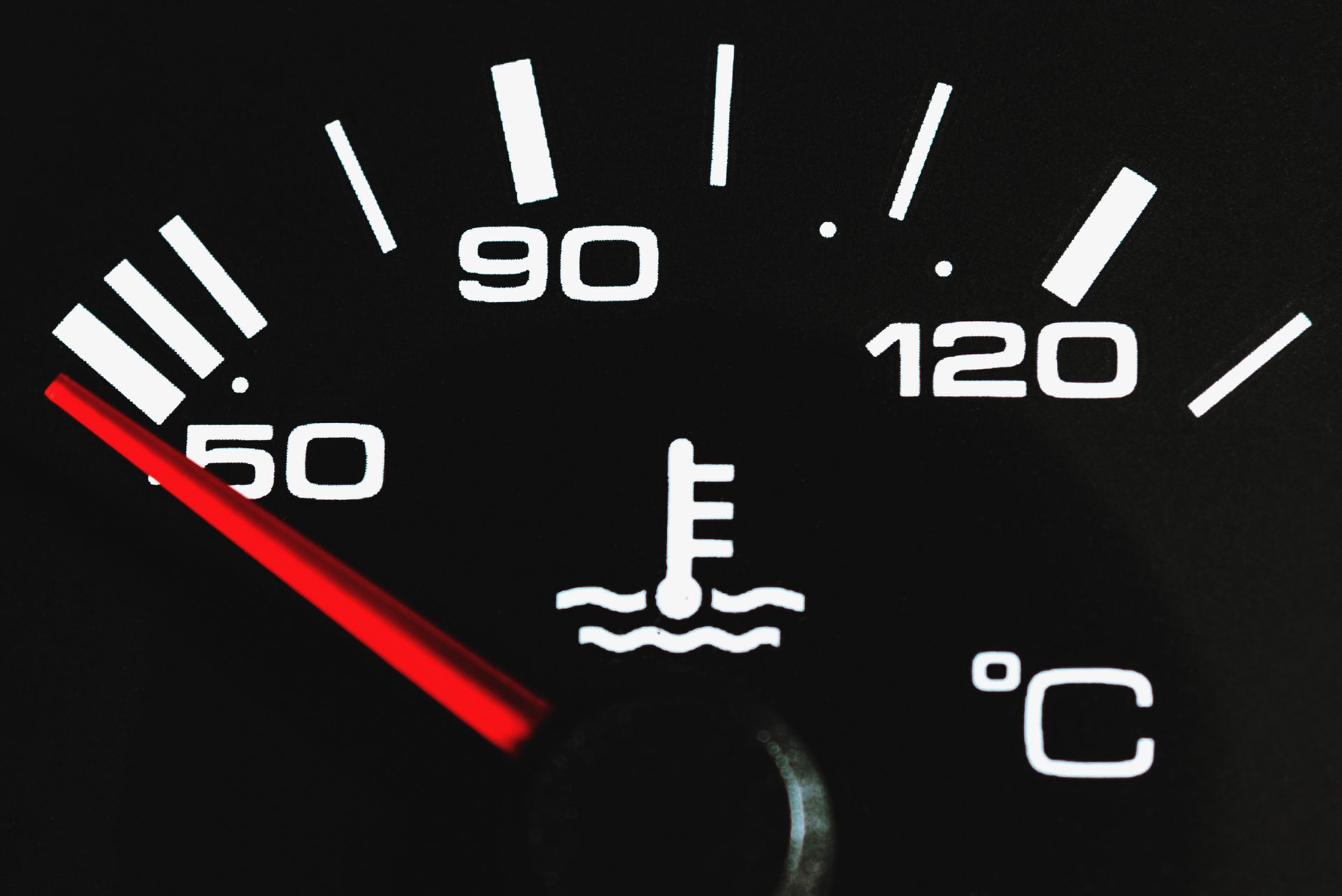
The engine must reach and maintain the correct operating temperature. If the thermostat sticks open, the engine may run too cool. If a coolant temperature sensor reports bad information, the computer may choose the wrong fuel strategy.
The car may still feel fine during a normal drive. You might only notice weaker heat, lower fuel economy, or a temperature gauge that acts differently than usual.
Cooling system faults should not be ignored. A small temperature code can become a bigger repair if coolant loss, overheating, or sensor problems go unchecked.
Do Not Clear The Code Before Service
Clearing the check engine light may make the dashboard look normal, but it can erase useful information. The computer may store freeze-frame data showing engine speed, load, temperature, fuel trim, and other details from the moment the fault happened.
That data helps a technician better follow the problem. Without it, the shop may have to wait for the light to return before the full pattern is visible again.
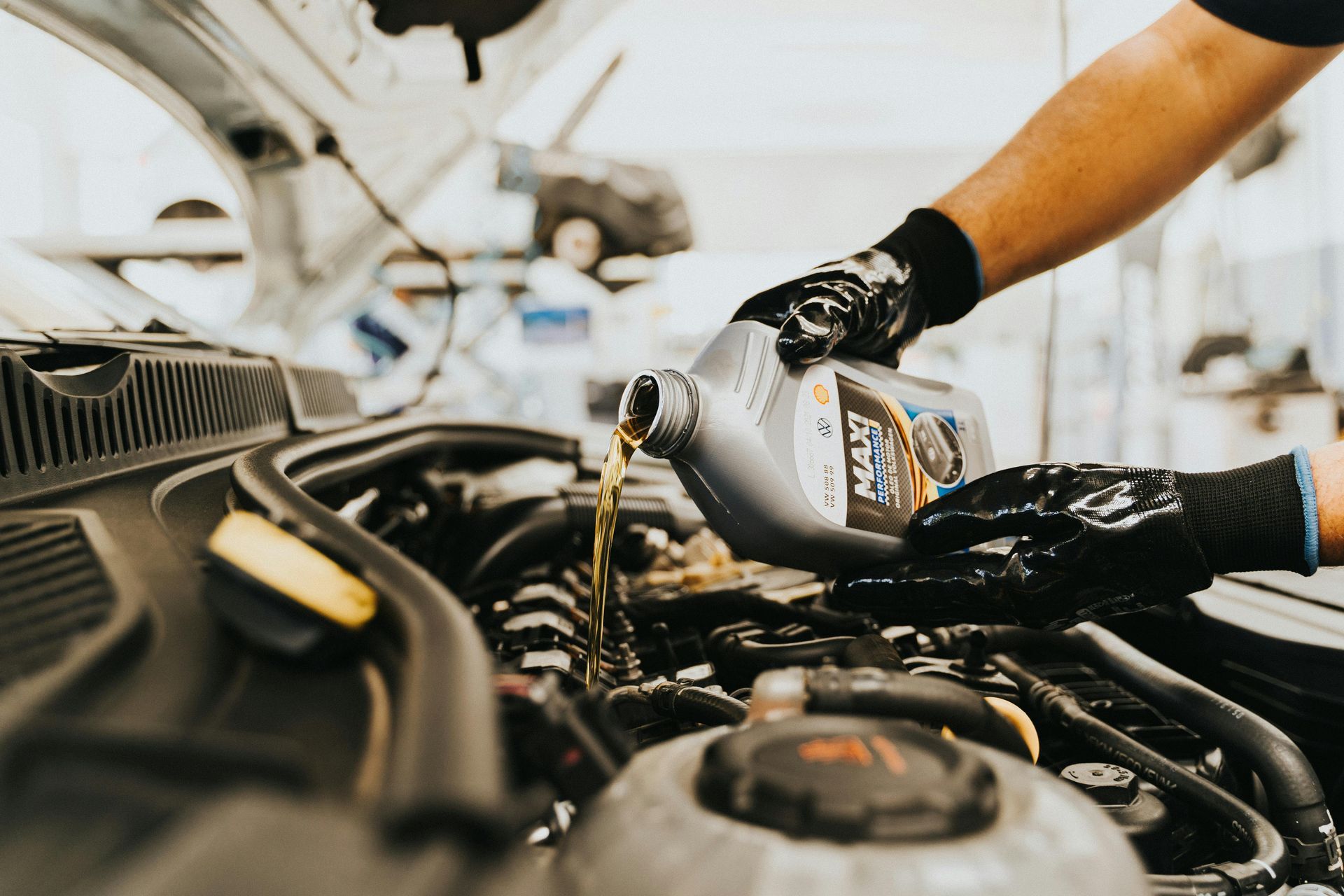
Regular maintenance can catch some issues early, but a stored check engine light still needs an inspection. The goal is not only to turn off the light. It is to find the reason it came on.
Get Check Engine Light Diagnostics In Newport, OR, With PJM Auto LLC
If your check engine light is on even though your car still runs fine, PJM Auto LLC in Newport, OR, can read the codes, review live data, and check the systems behind the warning.