Most engine wear does not come from one wild moment behind the wheel. It comes from ordinary habits repeated over months and years. The car still starts, still gets you to work, and still feels normal enough, so the damage stays easy to miss.
That is what makes engine life tricky. A driver can be careful in the obvious ways and still have a few routines that work against the vehicle. Short trips, late oil changes, hard acceleration before warmup, and ignoring small warning signs can all take years off an engine without making much noise at first.
Taking Too Many Short Trips
Short trips are harder on an engine than many drivers realize. When the engine does not reach full operating temperature, moisture and fuel residue can stay inside the oil and exhaust system. Over time, that can contribute to sludge, corrosion, and faster oil breakdown.
A five-minute drive to the store might feel easy on the car, but the engine is at its highest wear during startup. If most trips end before the engine fully warms, the oil has less time to burn off moisture and circulate in optimal condition. Longer drives now and then can help, but service timing still needs to match how the car is used.
Accelerating Hard Before The Engine Warms Up
Cold oil is thicker and does not move through tiny engine passages as easily as warm oil. When you start the engine and immediately ask for hard acceleration, the pistons, bearings, timing components, turbocharger, if equipped, and valve train are working before lubrication is at its best.
That does not mean you need to let the car idle in the driveway forever. Most engines warm better with gentle driving after a short startup period. The key is patience for the first few minutes. Let the temperature come up before heavy throttle, high rpm, or quick highway pulls.
Letting Oil Changes Slide Too Far
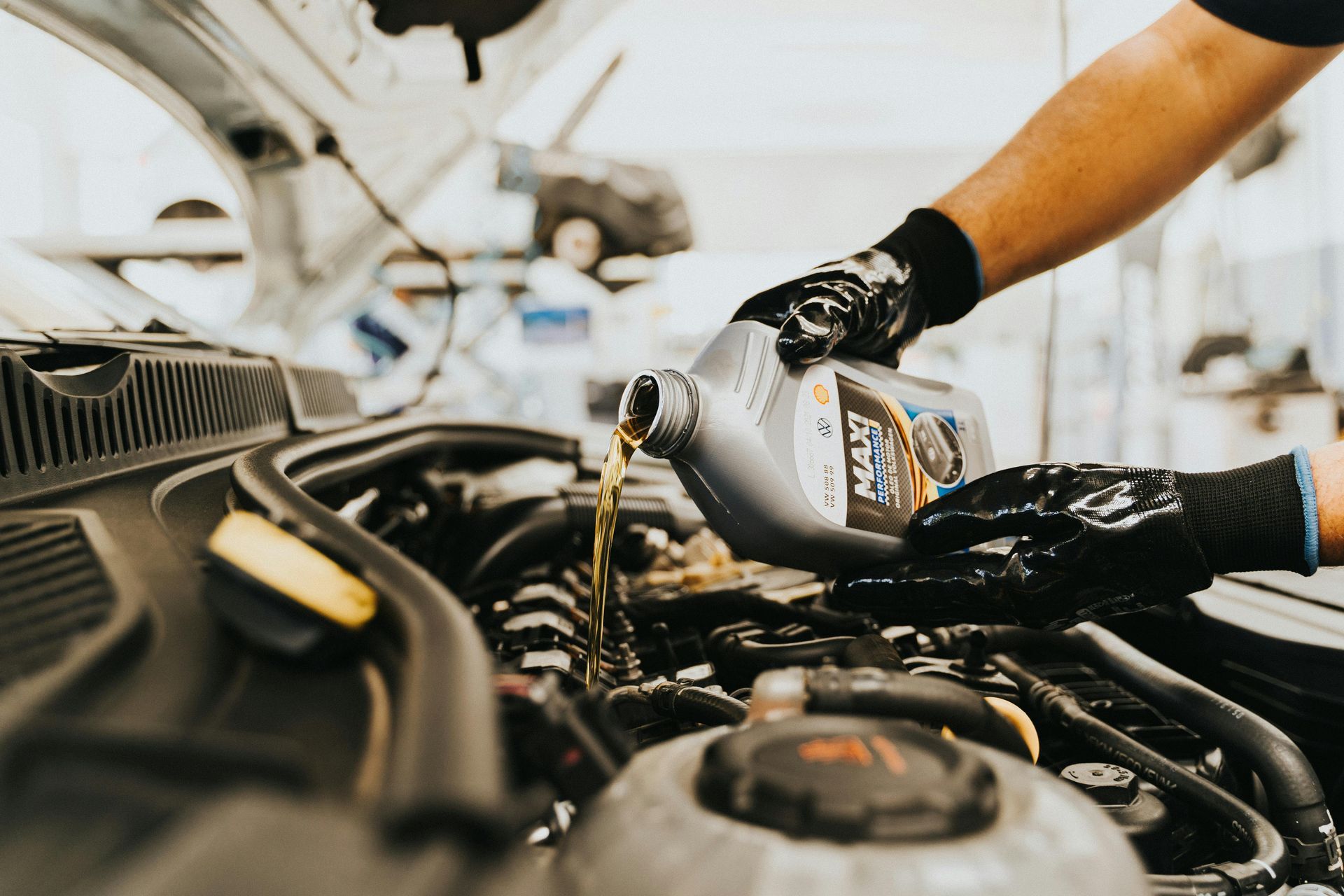
Oil does more than lubricate. It carries heat, cleans internal parts, protects seals, and helps control certain engine systems. When oil gets old, dirty, low, or contaminated, it cannot protect the engine as effectively.
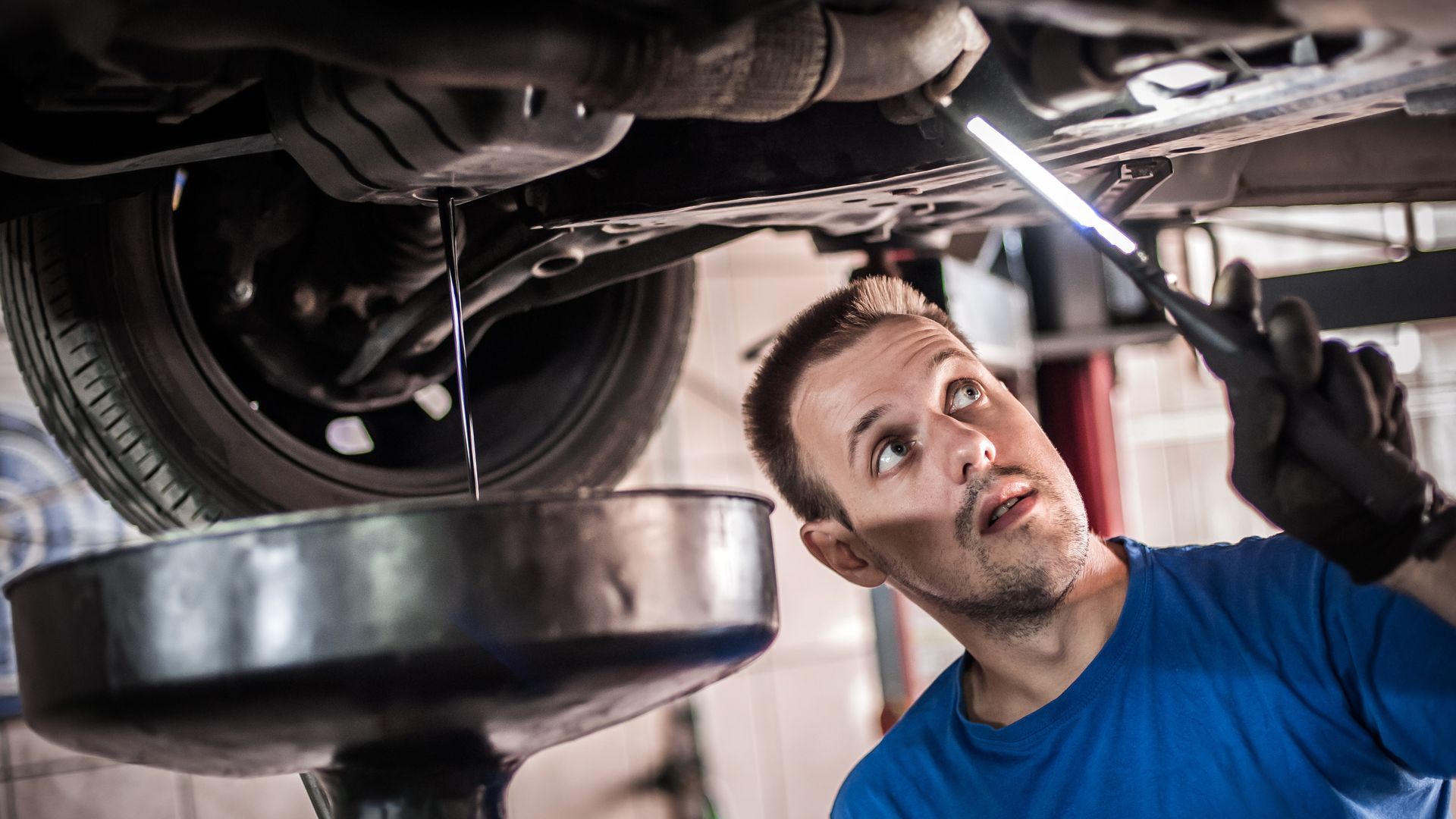
Waiting too long between oil changes can lead to sludge, timing system wear, oil pressure issues, and increased friction. Modern engines are not always more forgiving just because they are advanced. Some are more sensitive to oil quality than older designs. Regular maintenance with the correct oil and filter is still one of the simplest ways to protect engine life.
Ignoring Small Leaks
A small oil leak, coolant seep, or fuel smell can seem harmless if the vehicle still runs fine. The trouble is that leaks rarely fix themselves. A little oil on a gasket can become oil on a belt. A minor coolant seep can turn into low coolant and overheating. A small vacuum leak can change how the engine runs.
Leaks also make it harder to accurately track fluid levels. You might top something off and forget about it, but the system is still losing fluid. A careful inspection can show whether the leak is minor, active, or close to affecting other parts.
Driving With Low Fluid Levels
Engines depend on more than oil. Coolant, transmission fluid on some vehicles, power steering fluid on older systems, and even brake fluid can affect how the vehicle operates and how much stress the engine sees. Low coolant levels are among the biggest risks because overheating can quickly damage gaskets, seals, and cylinder heads.
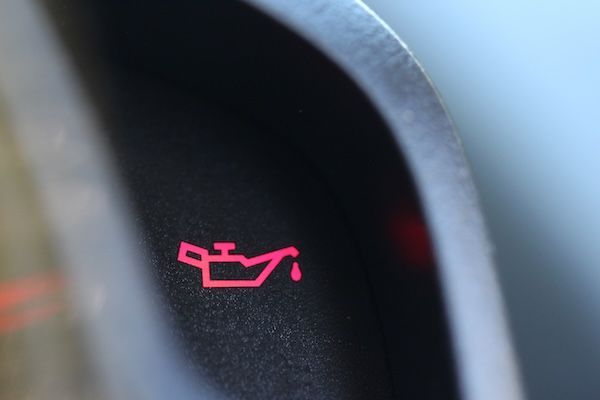
Low oil is just as serious. Even if the oil light is not on, a low level can leave parts underprotected during turns, hills, braking, or long drives. Checking fluids between services is a simple habit, especially on older vehicles or cars with known seepage.
Brushing Off Warning Lights
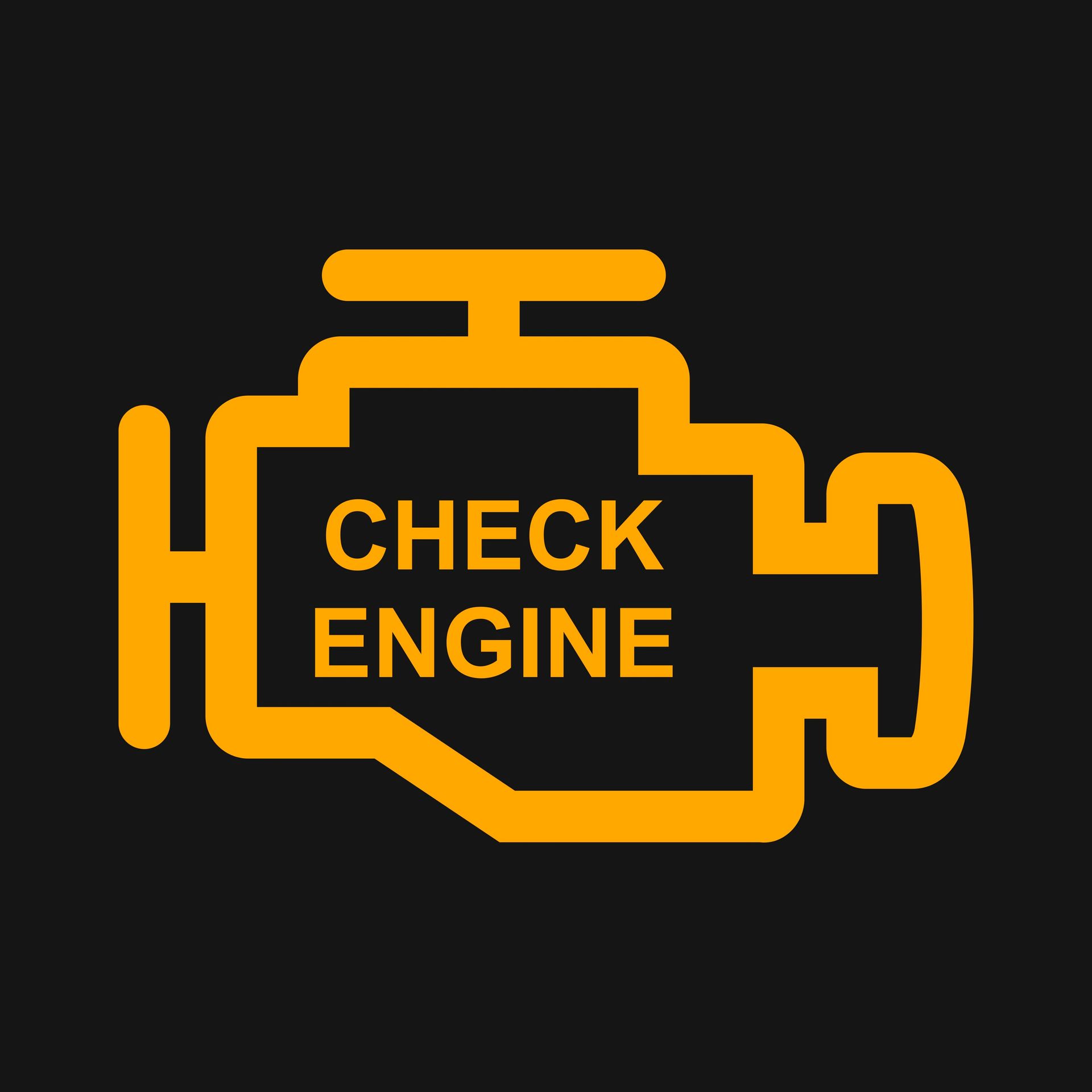
A warning light is easy to ignore when the car still feels normal. The check engine light might be on for an emissions issue, sensor fault, misfire, fuel trim problem, or temperature concern. Some of those issues are minor at first. Others can damage expensive parts if ignored.
A flashing check engine light is more urgent because it can point toward an active misfire. That can send unburned fuel into the exhaust and damage the catalytic converter. Even a steady light deserves attention, as stored data can help identify problems before they become obvious from the driver’s seat.
Using The Wrong Fuel Or Skipping Air Filter Checks
Some engines are designed for a specific fuel grade. If the vehicle calls for premium fuel and lower octane is used regularly, the engine computer may pull timing to protect itself. That can reduce performance and, in some cases, add stress under load.
Air filters count too. A clogged filter can reduce airflow and make the engine work harder. Dirt that gets past a poor filter can also cause wear over time. Filter checks are simple, but it's easy to forget them until fuel economy drops or the engine feels less responsive.
Get Engine Maintenance In Newport, OR, With PJM Auto LLC
If you want your engine to last longer, PJM Auto LLC in Newport, OR, can help with oil service, fluid checks, leak testing, warning light diagnostics, filters, and routine engine care.
To keep your engine in good condition before small habits turn into expensive repairs,
contact us to schedule an appointment.