A small amount of body lean is normal when a car turns. Weight shifts toward the outside wheels, the springs compress, and the suspension helps keep the tires planted. When the vehicle begins leaning farther than it used to, however, it may feel slow to respond or less settled through curves.
The change can develop gradually as shocks, struts, springs, sway bar parts, tires, or suspension bushings wear. Extra cargo and incorrect tire pressure can also exaggerate the feeling. The cause should be identified before the vehicle becomes difficult to control during a sudden lane change or emergency maneuver.
Worn Shocks And Struts Reduce Body Control
Shocks and struts control how quickly the suspension compresses and rebounds. They do not support the vehicle’s full weight, but they prevent the springs from allowing repeated or uncontrolled movement. As their internal valves and seals wear, the body can move farther before settling.
A car with weak shocks or struts may lean heavily through corners, bounce after dips, or dive forward during braking. The steering can feel delayed because the body shifts before the tires settle into the turn. Fluid leaking from a damper is a useful clue, although internal wear can exist without any visible leak.
Weak Or Damaged Springs Affect Ride Height
Coil springs and leaf springs support the vehicle and establish its normal ride height. Years of carrying weight, road impacts, and corrosion can weaken a spring. A broken coil may also hide near the spring seat, where it is difficult to see without raising the vehicle.
When one spring sags, the car may sit lower on that corner and lean more strongly in one direction. Reduced ride height also changes suspension geometry and limits available travel over bumps. Replacing shocks alone will not correct a vehicle that is leaning because a spring has weakened or broken.
Sway Bar Problems Allow More Side-To-Side Movement
The sway bar connects the suspension on the left and right sides of the vehicle. During a turn, it resists excessive body roll by transferring part of the load across the axle. The bar relies on bushings, links, brackets, and mounting points to work correctly.
A broken sway bar link or worn bushing can allow more lean while also creating clunking or rattling over uneven roads. One failed link may make the car feel especially unstable during quick direction changes. A visual inspection should include the entire bar because loose brackets and damaged mounts can create similar symptoms.
Tire Pressure And Condition Change Cornering Response
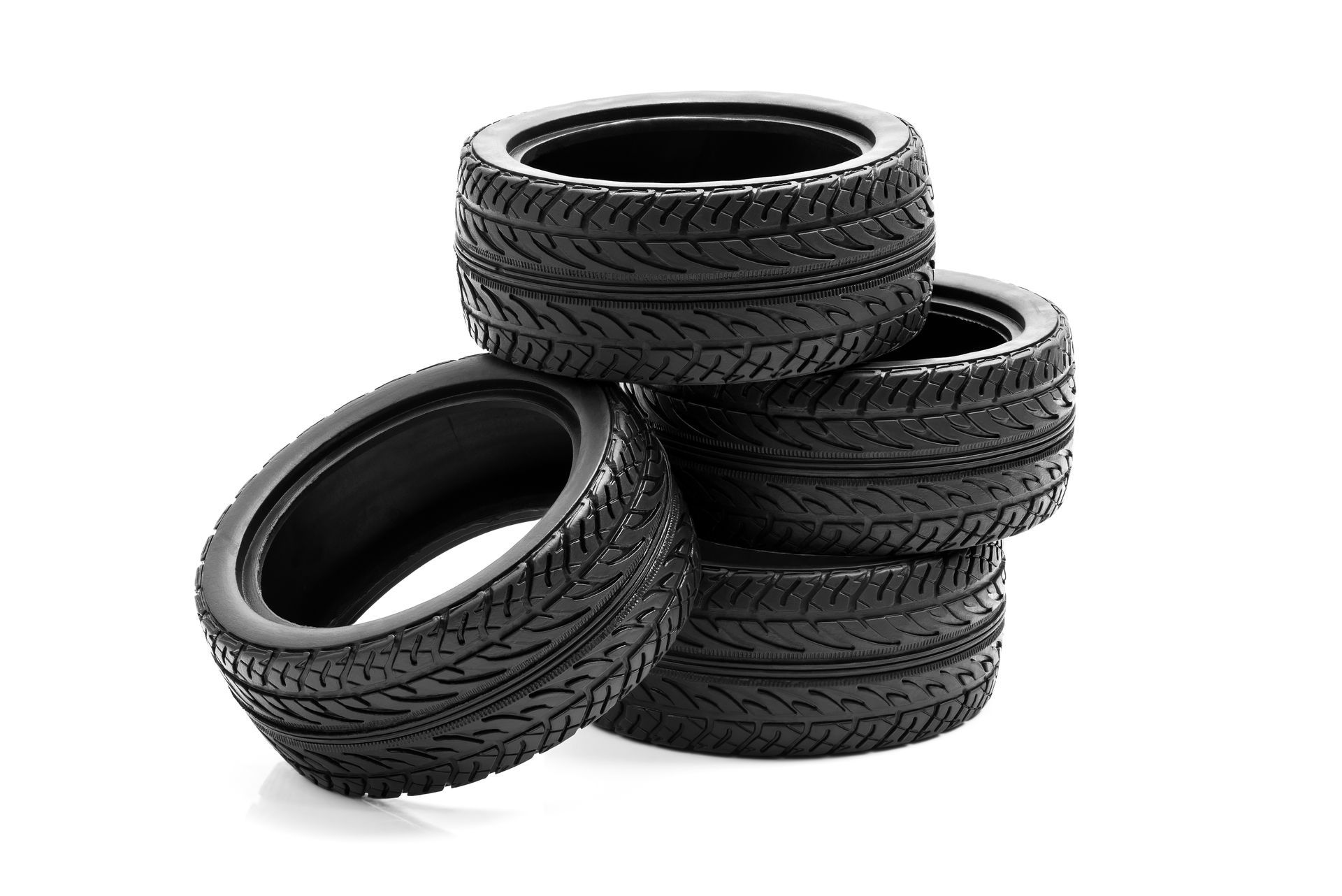
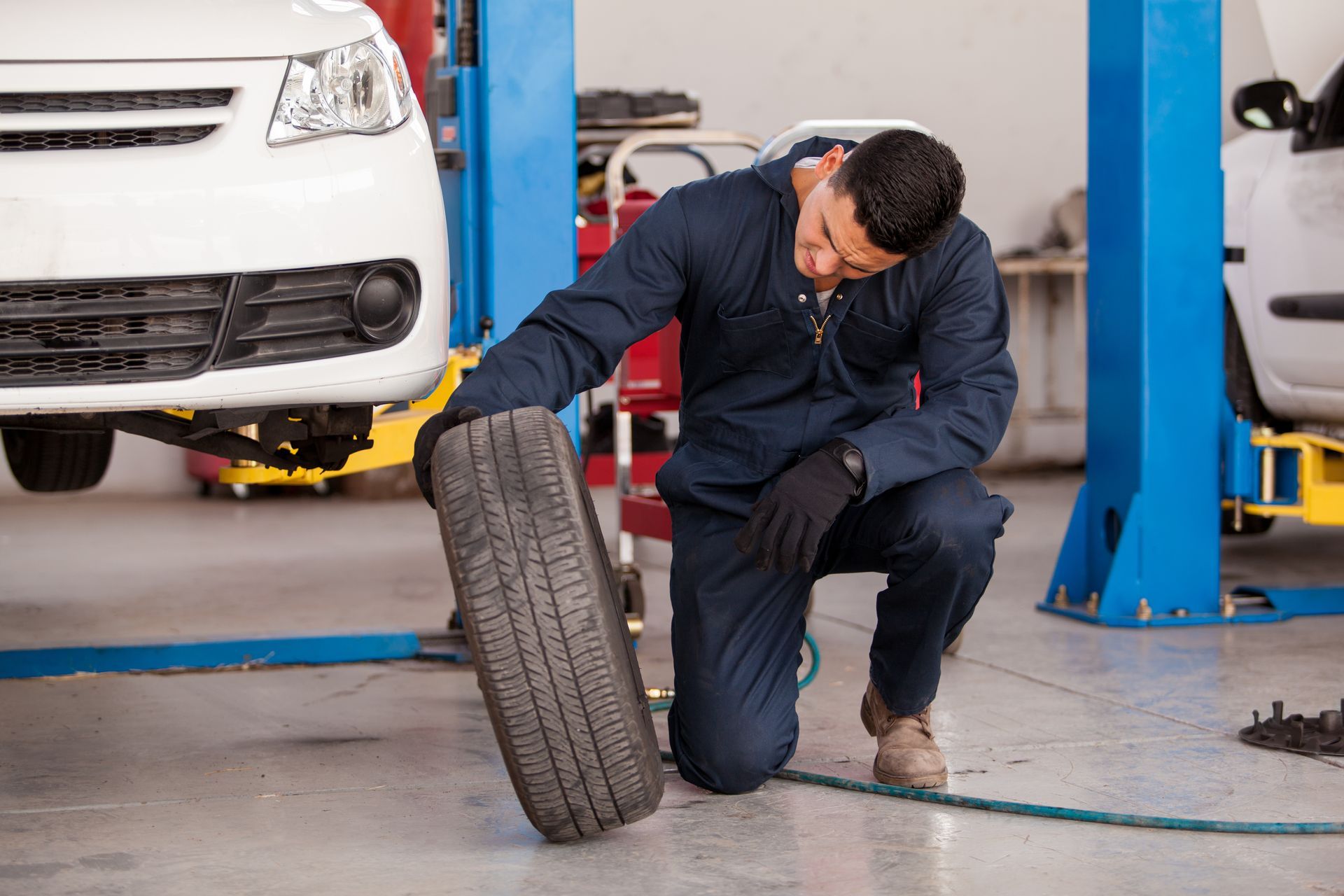
Tires support the vehicle through flexible sidewalls. When pressure is too low, the sidewalls flex more, and the car may feel as though it rolls onto the outside tires during a turn. Uneven pressure from side to side can make the response feel different depending on which direction the car is turning.
Worn tread, mismatched tires, internal tire damage, or tires with very soft sidewalls can also change cornering behavior. Check all four tires when they are cold and compare the readings with the vehicle manufacturer’s recommendation. Pressure shown on the tire sidewall is the tire’s maximum rating, not the normal setting for the car.
Suspension Bushings Can Let The Wheels Shift
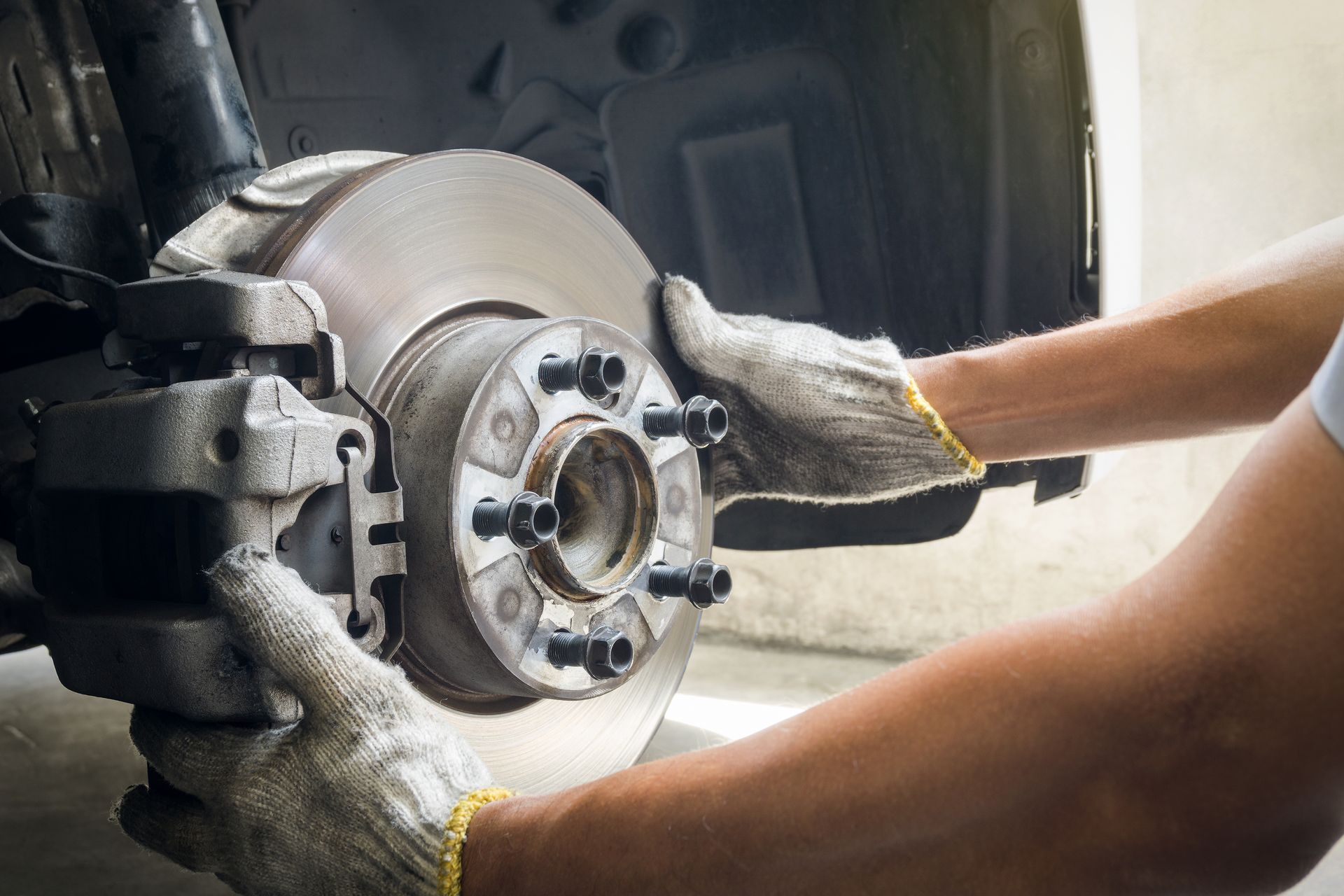
Control arm, trailing arm, and subframe bushings use rubber to limit suspension movement while absorbing vibration. As the rubber cracks or separates, the wheel can move farther under cornering, braking, and acceleration forces.
This extra movement can make the car feel loose or delayed when entering a turn. The steering may require correction partway through the corner, and the tires may develop uneven wear. Worn bushings can also cause alignment readings to change while the vehicle is moving, even if the measurements appear acceptable while it sits on the alignment rack.
Extra Weight Can Expose A Weak Suspension
Cargo, passengers, roof boxes, trailers, and equipment add weight that the suspension must control. A healthy vehicle should remain predictable within its rated capacity, but weak springs and dampers may become much more noticeable when the car is loaded.
Heavy items placed high in the vehicle raise its center of gravity and increase body movement. Cargo should be secured and distributed as low and evenly as possible. If the car feels unstable only when loaded, the suspension condition and the vehicle’s weight limits should both be reviewed.
Warning Signs That Often Appear With Excessive Lean
Body roll may not be the only change you notice. Several related symptoms can point toward suspension wear or tire concerns.
- The vehicle takes longer to settle after a turn.
- One corner sits lower while parked.
- The car clunks over bumps or driveway entrances.
- The steering feels delayed during lane changes.
- The tires show cupping or uneven edge wear.
- The front end dives heavily during braking.
- The vehicle feels unstable in crosswinds.
- A tire looks low or bulges near the sidewall.
Avoid high-speed driving if the car changes direction unexpectedly, the steering has obvious looseness, or a tire shows structural damage. These conditions can reduce your ability to respond safely when traffic or road conditions change quickly.
How Technicians Find The Source
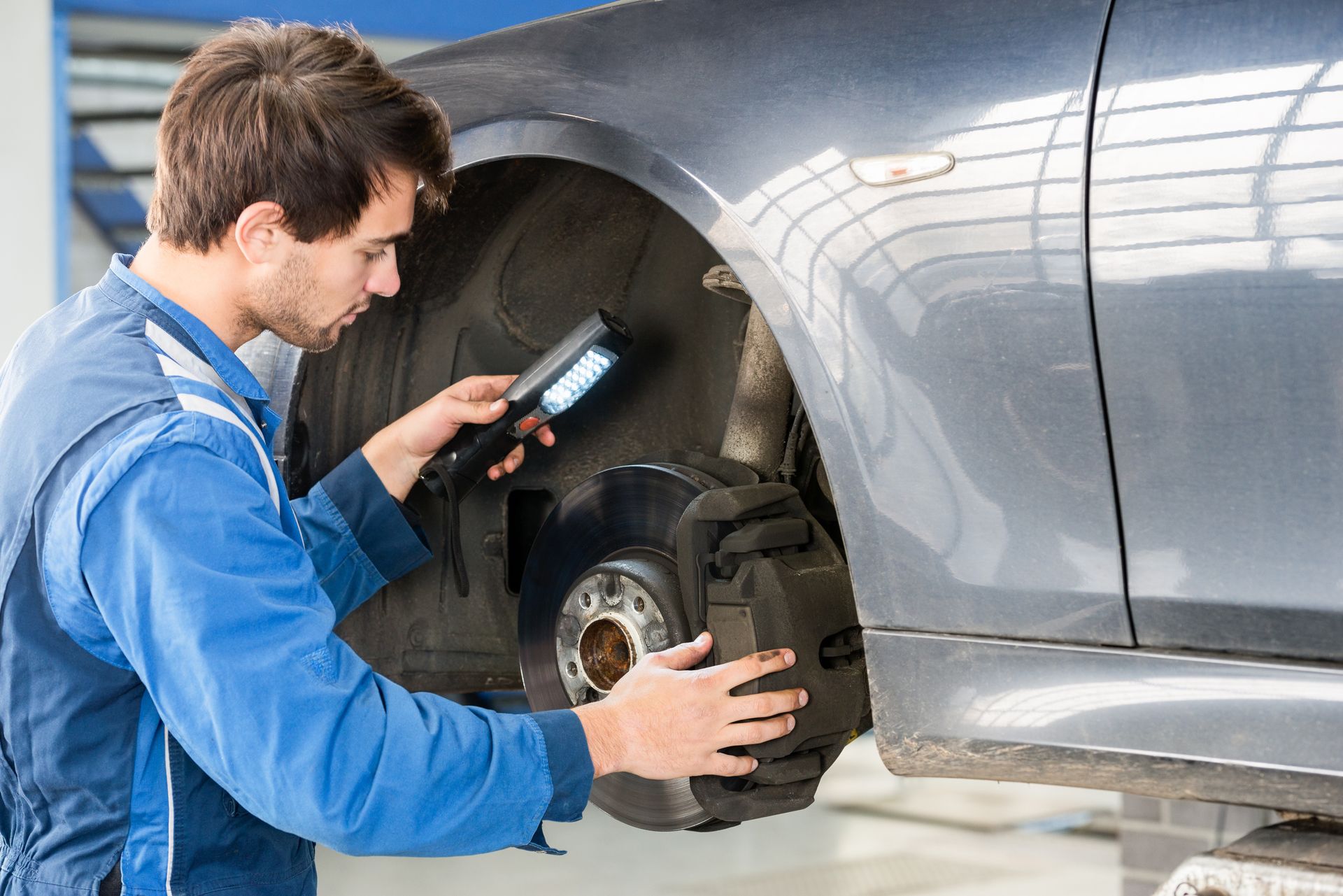
Diagnosis usually begins with a road test to compare body movement during turns, braking, and lane changes. The vehicle can then be checked for tire pressure, ride-height differences, leaking dampers, broken springs, loose sway bar links, damaged bushings, steering movement, and alignment concerns.
Regular maintenance can reveal developing tire wear and suspension looseness before handling changes become severe. Testing the complete system prevents one worn part from being replaced while another source of excessive movement remains.
Get Suspension And Handling Repair In Newport, OR, With PJM Auto LLC
If your car leans farther through corners, feels loose during lane changes, or takes too long to settle after a turn, PJM Auto LLC in Newport, OR, can check the shocks, struts, springs, sway bar components, bushings, tires, and alignment.