The car starts, but the first pull away from home feels hesitant. It stumbles at the end of the driveway or needs a little more accelerator than expected at the first intersection. By the time you reach work, the engine responds normally, leaving you wondering how a shop will find something that has already disappeared.
That first part of the drive is useful evidence. Note whether the hesitation happens only after an overnight stop, follows damp weather, or returns after several hours parked. Those details are more helpful than trying to force the symptom with extra throttle while the engine is cold.
The Engine Uses Different Conditions During Warm-Up
A cold engine needs fuel and airflow managed differently from a fully warm one. Fuel vaporization, friction, and the readings used by the engine controller change as temperature rises. A brief change in idle speed can be normal, but repeated stumbling or unsafe hesitation should not be accepted as ordinary warm-up behavior.
The engine also needs enough reserve to respond when ,you select drive or press the accelerator. A weakness that is hidden after warm-up can become noticeable during those first load changes. That narrows the conditions for testing without proving that one sensor, plug, or fuel component has failed.
Temperature Data Must Match the Actual Starting Conditions
The engine controller relies on coolant and intake-air temperature information when deciding how to manage startup. A sensor reporting an implausibly warm engine after an overnight cold soak can lead to an unsuitable starting strategy. The fault can be subtle enough that the displayed temperature still looks believable to the driver.
We compare those readings before the engine is started, when they should make sense for the surrounding conditions and recent use. A sensor code isn't the only useful evidence. Wiring, connector condition, and the way the reading changes during warm-up help distinguish a genuine temperature change from incorrect information reaching the controller.
An Air Leak Can Affect the First Few Minutes
An intake hose, gasket, or crankcase-ventilation connection can admit air where the engine doesn't expect it. Cold rubber and sealing surfaces sometimes behave differently after they warm. The resulting mixture problem can be strongest at idle or during the first gentle acceleration.
A smoke test and fuel-correction data can help locate that leak, but the timing of the check is important. A gap that seals as the engine warms may be difficult to confirm later. Replacing an airflow sensor without checking the air path can leave the same morning hesitation, even if the fault code mentions mixture or airflow.
Ignition and Fuel Delivery Can Be Marginal When Cold
Worn plugs, damaged coil boots, and moisture-sensitive ignition parts can misfire under early load. A pattern following damp nights deserves attention to insulation and plug wells, not just plug age. Fuel delivery can also be uneven because of pressure loss, an injector problem, or poor fuel preparation.
During an inspection, those possibilities are separated with cylinder information, pressure checks where appropriate, and examination of the ignition components. A stumble that improves as the engine warms isn't enough to order an injector or coil. The test needs to show which cylinder or system is failing to respond during the hesitation.
Deposits and Mechanical Conditions Need Evidence Too
Deposits around a throttle plate can affect low-speed airflow. Certain direct-injection engines can also develop intake-valve deposits that contribute to poor cold operation. Those are different locations and different services; a bottle in the fuel tank doesn't necessarily reach the surfaces involved.
Cleaning should follow confirmed deposits and the correct procedure, including any required relearn. If one cylinder continues to misfire during cold operation, you may need to check its sealing or another mechanical condition. Not every cold hesitation is a cleaning job, and replacing filters cannot correct a valve or compression problem.
Arrange the Visit So the Engine Can Be Tested Cold
A morning appointment after a long drive to the shop can make a cold-only complaint difficult to reproduce. Leaving the vehicle overnight can be more useful when practical. We can then record the first start and initial response rather than testing an engine that has already passed through the troublesome period.
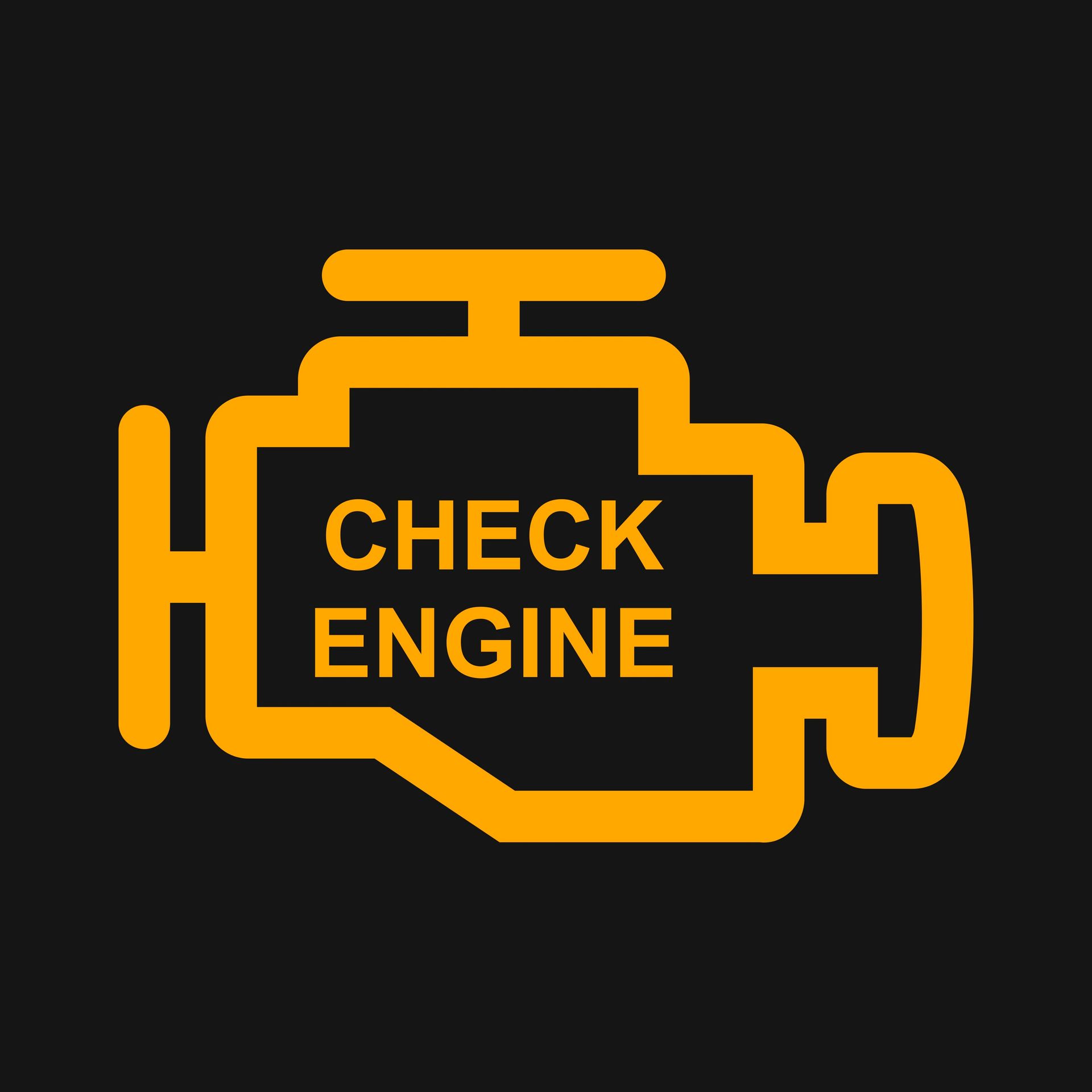
Bring details about recent work, fuel fill-ups, and whether the hesitation is getting longer or stronger. Records of regular maintenance help establish which ignition and filter items are due without turning them into automatic repairs. If the vehicle stalls in traffic, loses substantial power, or flashes the check engine light with shaking, stop safely and arrange assistance instead of continuing to drive until it warms up.
Get Cold-Engine Hesitation Diagnostics In Newport, OR, With PJM Auto LLC
PJM Auto LLC in Newport, OR, can evaluate temperature readings, intake sealing, ignition, and fuel delivery during cold operation. Let the advisor know how long the car needs to sit before the hesitation returns.
Contact us to arrange a diagnostic visit so we can check the engine before it warms up.